
Auto Diagnostics: Find the Real Problem First
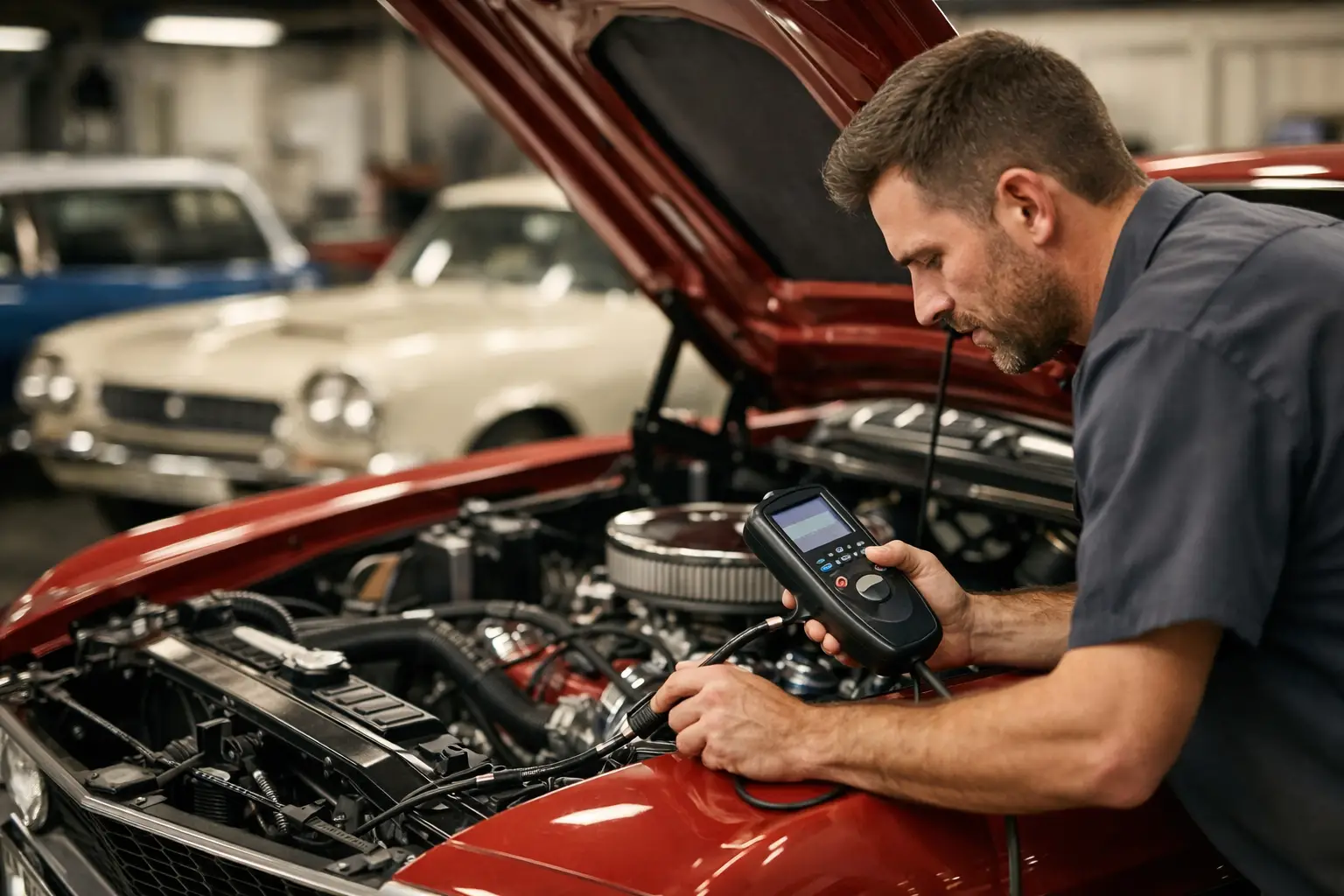
A warning light can feel like your vehicle is speaking another language. A rough idle, slow crank, strange vibration, or loss of power can be even more frustrating because there may be no warning light at all. Proper auto diagnostics turns those symptoms into a clear repair plan, so you are not paying to replace parts based on a guess.
For Yukon drivers, that matters. Your vehicle has to get you to work, haul equipment, make school pickup, or keep a business moving. When something is not right, the goal is not to sell the biggest repair. The goal is to find the actual cause, explain it plainly, and fix what needs fixing.
What Auto Diagnostics Actually Means
A diagnostic check is more than plugging a scanner into the port under the dash. Modern vehicles store trouble codes when a computer sees a reading outside its expected range. Those codes are useful starting points, but they are not always a final answer.
For example, a code related to an oxygen sensor does not automatically mean the oxygen sensor has failed. The problem could be damaged wiring, an exhaust leak, a vacuum leak, a fuel-delivery issue, or an engine condition causing the sensor to report an unusual reading. Replacing the sensor without checking the rest of the system might clear the light for a while, but it may not solve the problem.
Good diagnostics combines scan-tool information with hands-on testing. That can include checking battery and charging-system output, inspecting wiring and connectors, testing fuel pressure, looking for vacuum leaks, measuring electrical signals, evaluating ignition components, and taking the vehicle for a road test when needed. The right process depends on the symptom and the vehicle.
That approach is especially valuable when a repair has already been attempted somewhere else without success. A part may have been replaced because it was named in a code, while the condition that created the code was left behind.
Signs It Is Time for Auto Diagnostics
Some problems demand immediate attention, especially a flashing check engine light, severe overheating, a brake warning light, or a vehicle that suddenly loses power. Other concerns may begin small and get worse gradually. Bringing the vehicle in early can often prevent a minor issue from becoming a larger repair.
Common reasons to schedule diagnostic service include:
- A check engine, battery, ABS, traction-control, or tire-pressure warning light stays on.
- The engine cranks slowly, will not start, stalls, or runs rough at idle.
- Fuel economy has dropped without an obvious reason.
- The vehicle hesitates, surges, shifts harshly, or loses power under load.
- You hear a new clicking, grinding, squealing, knocking, or clunking sound.
- A recurring problem returns after a previous repair.
Pay attention to when the symptom happens. Does it occur only when the engine is cold, while braking, at highway speed, when towing, after rain, or with the air conditioning on? Those details can save diagnostic time and help narrow the cause faster.
Why Warning Codes Are Not Repair Instructions
Trouble codes point technicians toward a system or circuit. They do not always identify the failed part. Think of a code as a direction, not a diagnosis.
A cylinder misfire code is a good example. It may be caused by a worn spark plug, weak ignition coil, fuel injector issue, vacuum leak, low compression, a wiring problem, or even a mechanical concern inside the engine. Each possibility needs to be considered before approving repairs.
The same principle applies to battery and charging warnings. A battery light might mean the alternator is not charging, but it could also involve a loose belt, corroded battery connection, damaged cable, poor ground, or a battery that can no longer hold a charge. Testing the whole system is how you avoid spending money on the wrong component.
Clear communication matters here. You should know what was found, what testing supports the recommendation, what is urgent, and what can reasonably wait. A repair shop should be able to explain the issue in everyday language without hiding behind jargon.
Diagnostics for Modern Vehicles and Classic Rides
Today’s vehicles rely on multiple computers, sensors, modules, and communication networks. A no-start condition may involve anti-theft components, a crankshaft sensor, fuel pressure, software, or a failed module. Proper equipment and methodical testing are necessary to avoid chasing the wrong lead.
Classic cars and trucks present a different kind of challenge. Many do not have onboard diagnostics at all. Finding a drivability problem may require checking timing, carburetor operation, distributor condition, vacuum advance, fuel delivery, compression, charging output, and wiring that may be decades old.
Older vehicles also tend to have history. A previous owner may have installed aftermarket ignition parts, changed the fuel system, modified wiring, or made a quick repair that worked until it did not. That does not make the vehicle impossible to diagnose, but it does make experience and patience valuable. The best repair is not always the newest part. Sometimes it is correcting a poor connection, adjusting a system correctly, or repairing an earlier modification.
At Oil Pump, that mix of modern diagnostic capability and practical experience with classics helps owners make sensible decisions about daily drivers, work trucks, and enthusiast vehicles alike.
What to Expect From a Diagnostic Appointment
A solid diagnostic appointment starts with listening. Describe the symptom as clearly as you can, including when it began and whether any work was recently performed. If a warning light came on after fueling up, after a battery replacement, or following a hard rain, say so. Those details are often relevant.
The technician may begin with a visual inspection and a scan for stored codes and live data. From there, the process follows the evidence. Some issues can be identified quickly, such as a loose connector or obvious battery failure. Others take more time because the fault happens only under certain conditions or requires testing multiple systems.
This is one area where a little patience can protect your budget. A shop that diagnoses before replacing parts may spend time testing, but that testing can prevent a string of unnecessary repairs. On the other hand, if the problem is obvious and confirmed, there is no reason to overcomplicate it. Accurate work means doing enough testing to be confident, not billing for busywork.
Before work begins, ask for a clear recommendation. You should understand the repair, the reason for it, and whether there are any related concerns worth planning for. If a vehicle has several needs, a good shop can help prioritize safety issues and reliability concerns first.
Keep Small Problems From Becoming Downtime
Not every breakdown can be predicted, but regular maintenance gives technicians opportunities to catch developing problems. Weak batteries, worn belts, fluid leaks, damaged tires, failing brakes, and aging hoses often show warning signs before they leave you stranded.
For fleet operators, diagnostic support is directly tied to uptime. A truck or service vehicle sitting in a lot is not earning money. Tracking recurring warning lights, starting issues, tire wear, and drivability complaints helps address patterns before they disrupt schedules. Mobile service can also make a real difference when getting vehicles to a shop means taking them out of service for the day.
For individual owners, the practical rule is simple: do not ignore a new symptom just because the vehicle still drives. If it is making a noise, running differently, leaking fluid, or showing a warning light, get an informed answer while you still have options.
Get a Straight Answer Before Approving Repairs
The right diagnostic service should leave you with more than a code number. It should give you a credible explanation of what is happening and a path forward that fits your vehicle and budget. Sometimes that means a simple repair. Sometimes it means monitoring a non-urgent condition. Sometimes it means addressing a bigger issue before it causes more damage.
If your vehicle is acting up, schedule diagnostic service and bring the details you have noticed. Visit the Route 66 shop at 1001 W Main Street in Yukon, and get a clear answer before a small problem takes more of your time and money.